Listen to what the car does
The sound your car makes when you turn the key is the best clue:
- Rapid clicking: weak battery or corroded terminals
- Single click: failing starter or poor connection
- Cranks but won't start: fuel, spark, or sensor issue
- Nothing at all: dead battery, ignition switch, or key fob problem
Check the battery first
Dim dash lights and slow cranking point to the battery. Look for white or green corrosion on the terminals. In Texas heat, batteries commonly fail with little warning after 2–4 years.
Need this checked today?
Our mobile mechanics provide battery & charging system at your location — call 469-421-7910.
Try a jump start safely
Connect red to the dead battery's positive, red to the donor's positive, black to the donor's negative, and black to bare metal on the dead car's engine — not the dead battery's negative. If the car starts and then dies, suspect the alternator.
When it cranks but won't fire
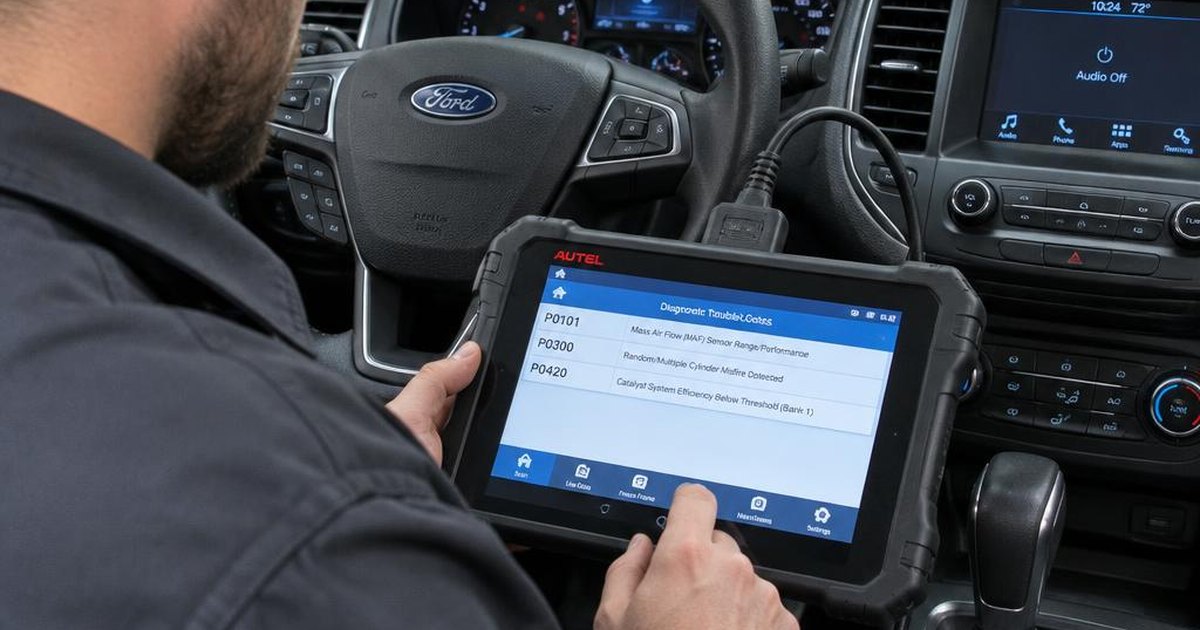
If the engine spins normally but won't run, the problem is usually fuel delivery (pump, relay, filter), ignition (coils, crank sensor), or a security system immobilizer. These require diagnostic tools to pinpoint.
Don't overlook the simple stuff
Make sure the shifter is fully in Park, the key fob battery isn't dead, and you have fuel. Sounds obvious — but it happens to everyone.
Get a mobile mechanic instead of a tow
Most no-start problems — batteries, starters, alternators, and fuel relays — can be fixed where the car sits. Call us and we'll dispatch a technician with the right parts.
Frequently asked questions
Can a bad key fob stop a car from starting?
Yes. A dead fob battery can prevent push-button cars from recognizing the key.
Should I keep cranking the engine?
No more than 10 seconds at a time — excessive cranking can overheat the starter.